Wedding flowers ideas for Blackheath events in Lee
Posted on 15/10/2026
Planning wedding flowers for Blackheath events in Lee can feel wonderfully exciting and slightly overwhelming at the same time. You want the flowers to look beautiful in photos, suit the venue, and feel like you on the day - not a copy-and-paste arrangement that could belong to any wedding anywhere. The good news is that Blackheath and Lee both lend themselves to elegant, characterful floral design: airy whites, romantic garden-style blooms, rich seasonal textures, and thoughtful details that hold up in real life, not just on a mood board.
In this guide, you'll find practical wedding flowers ideas for Blackheath events in Lee, from bouquet styles and ceremony flowers to table arrangements, colour palettes, timing, and the small details that make everything feel polished. We'll also cover common mistakes, a step-by-step planning process, and a realistic checklist you can use before speaking with a florist. Truth be told, that little bit of structure saves a lot of stress later.
Whether you're organising an intimate registry-style celebration, a marquee reception, or a larger wedding with family tables and a full bridal party, the right flowers can quietly tie everything together. Not loudly. Just beautifully.
If you're also exploring local options more broadly, a helpful place to start is the main wedding flowers Lee SE12 page, which gives a useful overview of wedding floral services in the area.
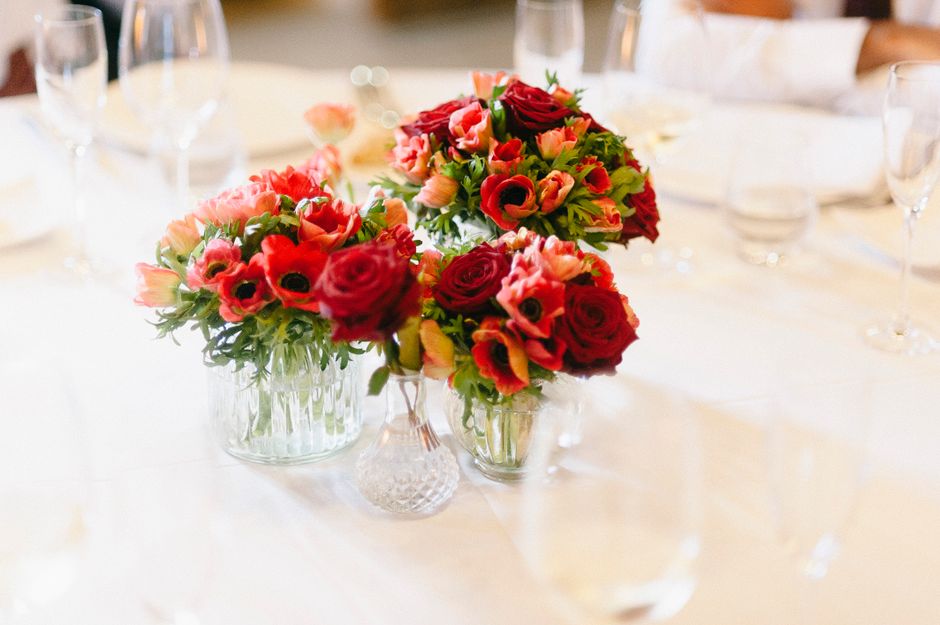
Table of Contents
- Why wedding flowers matter for Blackheath events in Lee
- How wedding flower planning works
- Key benefits and practical advantages
- Who this is for and when it makes sense
- Step-by-step guidance
- Expert tips for better results
- Common mistakes to avoid
- Tools, resources and recommendations
- Law, compliance, standards, or best practice
- Options, methods, or comparison table
- Case study or real-world example
- Practical checklist
- Conclusion
- Frequently asked questions
Why Wedding flowers ideas for Blackheath events in Lee Matters
Wedding flowers do more than decorate a room. They influence the tone of the whole day, shape the photographs, and help guests feel that your wedding has a clear personality. That matters especially for events around Blackheath and Lee, where venues and settings can vary quite a bit - from classic interiors to more modern spaces, from leafy, open-air backdrops to intimate local reception rooms.
Blackheath has a naturally refined, slightly romantic feel, while Lee often brings a more relaxed neighbourhood warmth. Put those together and you have plenty of room to create something stylish without making it stiff. The challenge is balancing elegance with practicality. Flowers need to travel well, open at the right time, and look good in changing light. If you've ever seen a bouquet sag by the end of a summer afternoon, you'll know what I mean. Not ideal.
It also matters because wedding flowers are one of the few parts of the day that appear in almost every photo: the getting-ready shots, the ceremony aisle, the table details, the cake area, the first dance backdrop. They quietly connect all the moments. That's why choosing the right style, flower types, and colour story is worth the thought.
Another reason this topic matters locally is availability. In London, especially around busy wedding seasons, seasonal supply and delivery timing can affect your options. Being flexible with flower varieties often gives you a better result than insisting on one exact bloom. A good florist will usually guide you toward flowers that match your vision and the realities of the season, rather than forcing a fragile idea into place.
Expert summary: The best wedding flowers for Blackheath events in Lee are not simply the prettiest ones. They are the ones that suit your venue, your season, your budget, and the way the day actually unfolds.
How Wedding flowers ideas for Blackheath events in Lee Works
At a practical level, wedding flower planning is a conversation between style, season, and logistics. You begin with the mood you want, then refine it into specific pieces: bridal bouquet, bridesmaid bouquets, buttonholes, ceremony flowers, table arrangements, and any extra accents like flower petals or floral meadows. After that comes the more boring but very real part - delivery timing, placement, and how the flowers will survive the journey.
A good planning process usually looks like this:
- Choose the overall look. Think romantic garden, modern minimal, classic white, colourful and joyful, or something moody and luxe.
- Match the colour palette to the venue. A bright arrangement can lift a darker room; a soft palette can calm a busy space.
- Pick the main flowers and supporting stems. Roses, lilies, lisianthus, orchids, hydrangeas, carnations, alstroemeria, and seasonal blooms all bring different textures.
- Decide where the flowers will go. Ceremony, bouquets, tables, stairs, registrar table, reception entrance, and any photo areas.
- Confirm timing and delivery. This matters more than people expect. Flowers should arrive when the venue can receive them and when they will look freshest.
- Review sizes and quantities. Big statement pieces and smaller accent designs should work together, not compete.
For many couples, a florist-led collection or coordinated wedding set is the easiest route because it reduces guesswork. For example, a bridal bouquet, bridesmaid bouquets, and buttonholes designed in the same style can make the day feel cohesive without needing every single item to match perfectly. Slight differences are fine - actually, they often look better.
If you're ordering through a florist with online categories, you may also find it useful to browse the wider weddings collection to see what styles and wedding-specific pieces are available. That kind of overview can be a time-saver when you're comparing options.
Key Benefits and Practical Advantages
Strong wedding flower planning gives you more than a pretty backdrop. It reduces day-of stress, makes photos look more coherent, and helps your wedding feel intentional rather than assembled at the last minute. Let's be honest, the little details are what people notice when the food is served and the music starts.
- Better visual flow: When bouquet colours echo the table arrangements, the whole event feels designed, not random.
- More flattering photography: Soft textures, clean colour contrasts, and balanced bouquet proportions all photograph well.
- Venue harmony: Flowers can soften a plain room or complement historic features in a venue around Blackheath.
- Seasonal efficiency: Choosing flowers that are naturally available often gives you better value and a fresher look.
- Less last-minute panic: A clear plan means fewer surprise decisions on the week of the wedding.
- Guest experience: Guests do notice flowers, even if they don't talk about them. The atmosphere lands differently when the floral design is thoughtful.
There's also a practical benefit that gets overlooked: flowers help define zones. A ceremony arrangement marks the focal point. Table flowers guide the eye. Buttonholes signal who's part of the wedding party. Even a small floral detail at the welcome table can make the day feel more polished. Tiny thing, big effect.
And if budget is a concern, a smart flower plan lets you prioritise. You might choose a more luxurious bouquet and simpler table pieces, or invest in one dramatic ceremony arrangement and keep the rest elegant but modest. Good design is often about where to spend, not just how much to spend.
Who This Is For and When It Makes Sense
This is for couples planning a wedding or celebration in Blackheath, Lee, or the surrounding SE London area who want flowers that feel tailored rather than generic. It suits people who care about the look of the day, but also want something practical and manageable.
It makes particular sense if you:
- are planning a ceremony with photos that will be important for years to come
- want a consistent floral style across bouquet, ceremony, and reception
- need help choosing flowers that work in the season you're getting married
- have a venue that needs visual softening or a stronger colour focus
- are comparing elegant, luxury, or budget-friendly wedding flower options
- need reliable delivery and setup rather than DIY uncertainty
It also helps if your event has mixed needs. Perhaps the ceremony is intimate, but the reception has several guest tables. Or maybe you want a full bridal look and just a few extra arrangements for the venue. In those cases, a florist can build a flexible package rather than overselling you on extras you don't need.
Sometimes people assume wedding flowers only matter for "big" weddings. Not really. Small weddings can be even more visually sensitive because every item is more noticeable. A single beautiful bouquet and a few coordinated pieces can carry a lot of weight. It's a bit like lighting in a room - once it's right, everything else relaxes into place.
Step-by-Step Guidance
Here's a clear way to plan wedding flowers for Blackheath events in Lee without getting bogged down in endless Pinterest tabs and contradictory opinions from relatives. Helpful opinions, sure. Too many opinions? Slight nightmare.
1. Start with your venue and date
Before choosing flower types, look at the venue style, light levels, and season. A summer garden-inspired bouquet might feel perfect for a daytime celebration, while a winter wedding may benefit from richer textures and deeper tones. Venue architecture matters too. High ceilings, dark wood, pale walls, or lots of glass all change how flowers read in the room.
2. Decide on the mood
Do you want romantic, modern, classic, country-inspired, bold, soft, or luxurious? This choice narrows everything else. For example, soft white and green palettes feel timeless and calm, while mixed colours create energy and warmth. There's no single right answer. Just a right answer for your day.
3. Build your palette around 2 to 4 tones
Too many colours can make the design feel busy. A restrained palette is often more elegant. Common wedding palettes include white and green, blush and cream, lilac and white, red and ivory, or mixed pastel shades. If your outfit, decor, or stationery already has strong colours, let the flowers support them rather than compete.
4. Choose focal flowers and support flowers
Focal flowers are the main visual stars - think roses, lilies, orchids, hydrangeas. Support flowers and foliage give structure and texture. For wedding work, those supporting stems are not just filler. They create movement, fullness, and balance.
5. Match the bouquet to the dress and body shape
A cascading bouquet gives drama. A compact hand-tied bouquet feels neat and classic. A loose garden-style bouquet feels soft and romantic. If the dress is heavily detailed, a simpler bouquet may be the better choice. If the dress is plain and architectural, a more expressive bouquet can look fantastic.
6. Plan the ceremony first, then the tables
If the budget is limited, start with what guests and photographers will see most: bridal bouquet, ceremony focal piece, and a couple of strong reception designs. Table flowers matter, of course, but the ceremony is where the day becomes visibly "yours."
7. Confirm delivery and freshness details
Ask when flowers will be conditioned, when they'll be delivered, and whether they arrive ready to place. In warmer weather, transport timing becomes even more important. Flowers are resilient, but they are not magic. They still need a sensible plan.
For bouquet inspiration, a bridal-specific design such as the I Cherish You bridal bouquet or a softer option like the Pure Romance bridal bouquet can help you picture how style, scale, and colour work together.
Expert Tips for Better Results
A few choices make a bigger difference than people expect. These are the details florists tend to think about instinctively, and they're worth knowing if you want your flowers to look elegant rather than merely expensive.
- Choose flowers with movement. Loose stems and varied textures often look more natural in photos than perfectly packed shapes.
- Think about the end of the day, not only the start. A bouquet should still look good after hugs, speeches, and a long ceremony.
- Use one repeated element across the day. It might be white roses, orchid accents, or a particular greenery. Repetition creates cohesion.
- Don't overload the palette. A small number of well-chosen shades usually feels more refined than a rainbow approach.
- Consider scent carefully. Some flowers smell lovely but can be intense in enclosed spaces. That's not always a problem, but it is worth thinking about.
- Bring in texture if the venue is simple. Hydrangeas, lisianthus, roses, and greenery can add softness and depth without making the room feel cluttered.
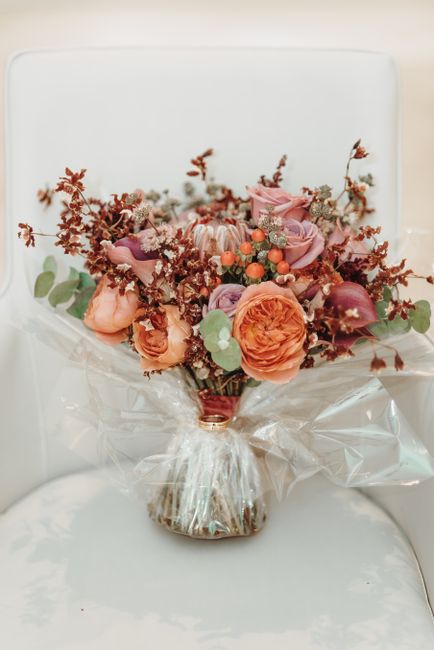
If you're after a clean, fresh look, white florals are a safe and beautiful choice. If you want something warmer, blush, peach, and soft coral tones can feel lovely without becoming overly sweet. For a bolder story, deep reds, purples, and mixed jewel tones can look rich and dramatic, especially in evening light.
One more tip: ask to see the likely size of bouquet in relation to the hand holding it. It sounds small, but proportion changes everything. A bouquet can be gorgeous and still feel too large if it overwhelms the dress or too tiny if it disappears in photos. Balance is the trick.
Common Mistakes to Avoid
Most flower disappointments are avoidable. They usually come from planning too late, choosing styles that don't fit the venue, or saying yes to too many ideas at once. We've all done it - the mood board grows arms and legs.
- Leaving flowers until the last minute. The best choices go early, especially around busy wedding months.
- Ignoring venue lighting. What looks soft and romantic in daylight can look washed out or dull in a dark room.
- Choosing too many different flower types. Variety is lovely, but too much can create visual noise.
- Forgetting transport and setup. Flowers are only beautiful if they arrive in good condition and are placed properly.
- Overspending on one area and underfunding the rest. A balanced floral plan usually looks better than one spectacular piece and weak supporting details.
- Not asking about substitutions. Seasonal flexibility matters. If a stem is unavailable, a good substitute should fit the original style.
Another mistake is designing for social media only. Yes, photos matter. But the flowers also need to work in the room, at eye level, and in real movement. Guests will be walking past them, leaning over them, and sitting beside them. The arrangement has to live well in the space, not just pose well.
Tools, Resources and Recommendations
To keep planning manageable, use a few simple tools and resources rather than trying to hold the entire wedding in your head. That gets messy quickly.
- Colour palette notes: Save a few reference images that show the exact tone you want, not just "vibe."
- Venue photos: Room shots, table layouts, aisle views, and entrance areas help a florist suggest the right sizes.
- Guest list estimate: Helpful when deciding table arrangements and buttonholes.
- Seasonal flexibility list: Note which flowers you love and which alternatives you'd happily accept.
- Delivery timing plan: Make sure the flowers arrive at a time that suits the venue setup schedule.
If you like exploring by flower style, the store categories can be useful too. For instance, white-focused designs such as White Wonders bridal bouquet or matching floral pieces from the White Wonders wedding collection offer a clean, elegant starting point. For a more romantic feel, the The Sound of Love wedding collection gives another direction entirely. It's nice to compare styles side by side before deciding.
For those who want support with practical ordering, the main flower delivery Lee SE12 page can also help you understand how flowers are delivered locally and what kind of timing to expect. That practical detail really matters when weddings have tight schedules.
Law, Compliance, Standards, or Best Practice
Wedding flowers are not a heavily regulated product in the way some specialist services are, but there are still good standards and sensible practices to follow. In the UK, florists working with fresh flowers should handle products safely, manage delivery carefully, and be clear about what is included, what may change seasonally, and what happens if substitutions are needed.
From a customer perspective, best practice usually includes:
- clear written order details
- transparent information about substitutions
- reasonable delivery and setup arrangements
- care guidance for keeping flowers fresh
- fair terms for cancellations, changes, or refunds
If you are comparing providers, it is sensible to read the shop's terms, delivery information, refund policy, and guarantee details before placing an order. That may not feel romantic, but it protects you from avoidable confusion later. For example, timing windows, delivery limitations, and how issues are handled should be understood before the big day, not after it.
It is also worth remembering that venues may have their own rules about access, setup times, or the use of certain decorative materials. Always check with the venue in advance. A late delivery because of a blocked loading area or restricted access? Nobody wants that particular adventure.
For general service information, the site's delivery information, terms and conditions, and guarantees pages are sensible places to review before finalising a wedding order.
Options, Methods, or Comparison Table
Different wedding flower approaches suit different budgets, timeframes, and event styles. Here's a simple comparison to help you think it through.
| Approach | Best for | Strengths | Trade-offs |
|---|---|---|---|
| Full bespoke floral design | Larger weddings, premium styling, highly specific vision | Most personalised, strongest visual consistency | Usually needs more planning time and budget |
| Curated wedding collection | Couples wanting a coordinated look without designing from scratch | Simple to choose, cohesive across bouquets and buttonholes | Less customisation than a bespoke brief |
| Focused hero pieces | Smaller weddings or tighter budgets | High impact where it matters most | Less floral presence across the full venue |
| Seasonal mix-and-match | Flexible couples who care more about mood than exact stems | Can feel natural, fresh, and cost-conscious | Requires trust in the florist's judgment |
For many Blackheath and Lee weddings, the middle ground works best: a coordinated bridal bouquet, bridesmaid bouquets, buttonholes, and a few table or ceremony pieces. That gives structure without overcomplicating the day.
If your style leans more classic, white rose-based arrangements are a strong option. If you want something with a bit more character, mixed bouquets with orchids or lisianthus can feel softer and more contemporary. And if you're the type of couple who likes a little drama, a richer palette can absolutely work - provided it suits the room.
Case Study or Real-World Example
Here's a realistic example from the kind of brief florists often see for Blackheath and Lee weddings. A couple wanted a late-spring celebration with an elegant but relaxed feel. The ceremony was intimate, held in a local venue with pale walls, natural daylight, and only a modest amount of decor. They wanted everything to feel cohesive without looking overdone.
The solution was simple and effective: a soft bridal bouquet with roses and lisianthus, smaller bridesmaid bouquets in the same palette, neat buttonholes, and a pair of table arrangements for the reception. Rather than using lots of competing colours, the design leaned into white, blush, and gentle green tones. Nothing loud. Just calm, layered, and fresh.
What made the difference was not the number of flowers. It was the consistency. The bouquet colours echoed the table pieces. The bridal bouquet had enough movement to feel romantic in photos, but not so much that it looked untidy by the end of the evening. The result felt tailored to the setting, which is really the whole point.
A small moment mattered too: when the couple saw the ceremony flowers placed by the entrance, they realised the arrangement did exactly what they needed. It lifted the room without taking over it. That's the sweet spot. Not flashy. Just right.
Practical Checklist
Use this checklist as you finalise wedding flowers for your Blackheath event in Lee.
- Have you chosen the wedding mood: romantic, classic, modern, seasonal, or bold?
- Do your flowers match the venue style and lighting?
- Have you selected a palette with 2 to 4 main colours?
- Are the bouquet style and size suitable for the dress and comfort level?
- Have you decided which items matter most: bouquet, ceremony, tables, buttonholes?
- Do you know what flowers are seasonal and what may need substitution?
- Have you confirmed delivery time and venue access details?
- Have you checked the florist's terms, guarantee, and refund information?
- Do you know who will place or arrange the flowers on arrival?
- Have you kept a backup plan for warm weather, early delivery, or last-minute venue changes?
Quick takeaway: Start with the venue, choose a focused palette, prioritise the most visible pieces, and keep the design flexible enough to work in real conditions. That's the formula that usually delivers the most elegant result.
Conclusion
Wedding flowers ideas for Blackheath events in Lee should feel personal, local, and practical all at once. The best designs are not always the biggest or the most expensive. They are the ones that make sense for your venue, your season, your story, and the way the day will actually unfold.
If you remember only one thing, let it be this: start with atmosphere, then work backwards into flower choice. That approach keeps your planning grounded and usually leads to better results. A thoughtful bouquet, a few well-placed ceremony flowers, and coordinated reception pieces can do more than a room full of random blooms ever could.
So take your time, keep the palette focused, and choose flowers that feel like a natural extension of your day. The right arrangement has a quiet kind of magic to it - and that part stays with people long after the last dance.
Get a free quote today and see how much you can save.
Frequently Asked Questions
What flowers work best for a Blackheath wedding in Lee?
Roses, lisianthus, orchids, hydrangeas, carnations, and seasonal mixed stems all work well, depending on the mood you want. For a classic look, white and green combinations are very popular. For something softer, blush and cream tones are often beautiful. If you want a richer feel, mixed jewel or autumn-inspired colours can work well too.
How far in advance should I order wedding flowers?
As early as you reasonably can. For weddings, early planning helps secure your preferred style, especially during busy periods. Even if the final details change later, booking earlier gives you more room to shape the design and avoid last-minute stress.
Can I mix luxury flowers with budget-friendly flowers?
Yes, and that is often the smartest approach. A florist can use a few premium focal flowers and support them with more economical stems and foliage. The result can still look refined without pushing the budget too hard.
What is the difference between bespoke and curated wedding flowers?
Bespoke flowers are designed specifically around your brief, venue, and style preferences. Curated wedding collections are pre-coordinated designs that are easier to choose and usually quicker to plan. Both can work well; the right choice depends on how specific you want the look to be.
Do I need flowers for both the ceremony and reception?
Not necessarily. Some couples choose only a bouquet and a few ceremony pieces, while others want flowers in both spaces. If budget matters, it is usually wise to prioritise the areas most visible in photos and to guests, then build from there.
Which colours suit a modern Blackheath event?
White, green, blush, champagne, and soft lilac are all strong options for a modern but elegant feel. If the venue has clean lines and plenty of natural light, these palettes tend to look calm and polished rather than busy.
How do I make sure my flowers last through the day?
Choose sturdy blooms, arrange proper delivery timing, and avoid leaving flowers in direct heat for too long before the event. A good florist will also condition the flowers properly beforehand so they arrive looking their best.
Are seasonal flowers better for weddings?
Usually, yes. Seasonal flowers often look fresher, are easier to source, and can offer better value. They also tend to suit the time of year more naturally, which helps the whole design feel believable and grounded.
Can I request a specific flower but allow alternatives if needed?
Absolutely, and that is often the most practical route. It gives the florist enough flexibility to substitute if a particular stem is unavailable, while still protecting the overall style you want.
What should I ask a florist before booking wedding flowers?
Ask about availability, delivery timing, substitutions, what is included in the arrangement, care instructions, and how changes or refunds are handled. It also helps to ask whether they have examples of work in a similar style or scale to your event.
How do I choose between one statement bouquet and several smaller arrangements?
Think about visibility and priority. If the ceremony is the visual centre of the day, a stronger bouquet and one focal arrangement may be the best investment. If tables are a major part of the reception, smaller coordinated pieces may offer better overall balance.
What's the easiest way to keep wedding flowers consistent?
Pick one clear palette, one or two hero flowers, and a shared style across all pieces. That consistency matters more than using identical arrangements everywhere. A little variation is fine, and often looks more natural anyway.